
Methane Emissions Calculator
Methane Emissions Calculator
How It Works
Committed to global transparency in greenhouse gas emissions, GHGSat introduces a free Methane Emissions Calculator, making it easier to understand methane emission rates and calibrate emissions measurements.
The methane calculator has two key functions: determining product loss of a methane leak and converting emissions units.
Determining product loss
The primary constituent of natural gas is methane. In this calculator, the price of natural gas is $2.95 updated as of September, 2026.
This section allows users to calculate how much a methane leak would cost if left unattended at a certain mass & volume, and duration in time. The value of the lost product is the total cost. (*See the FAQ section for calculation and pricing references). To determine the product loss:
- Start by entering an emission rate
- Choose the mass & volume, as well as the duration that applies
- Compute the value of lost product to determine the answer
Converting emissions units
Once the value of the product loss has been determined, the calculator further allows converting the result into another unit of measurement. To convert into a different unit of measurement:
- Choose a new mass and volume
- Choose a new duration
- Compute the result.
The result determines the new emission rate, according to the conversion units chosen.
Global Transparency for All
Methane Emissions Calculator
The GHGSat Methane Emissions Calculator allows the calculation of the total cost of a methane leak and enables the conversion of emissions to different units – mass, volume, duration – of methane.
The calculator has many usages:
- First, it is used to determine the value of a product loss. Emissions are not only about the environment but also about product loss in your value chain.
- Second, it is used to help set emission reduction targets and other greenhouse gas reduction initiatives.
These functions can lead to a more seamless communication of methane reduction rates.
*For more information on calculations, references, and assumptions, see the FAQ at the bottom of the page.
An Environmental Issue
Natural Gas Flaring
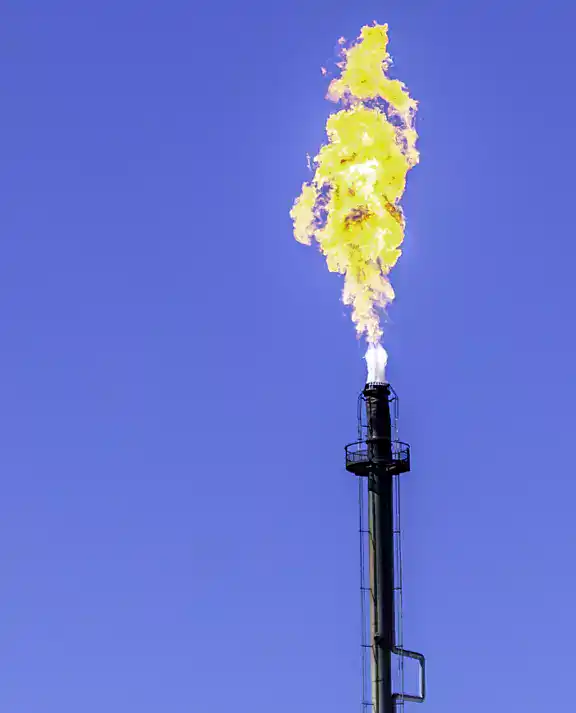
The flaring of natural gas contributes to climate change as it emits carbon dioxide (CO2), black carbon (commonly known as soot) and other harmful pollutants into the atmosphere.
It is the methane component of natural gas that produces carbon dioxide when burned. Combustion efficiency is influenced by the flow rate of the gas which can alter over time as oil field productivity begins to fall and infrastructure ages. An inconsistent gas flow rate combined with variable wind conditions will lead to inefficient combustion. If a gust of wind extinguishes the flame, large volumes of methane may leak – invisibly – into the atmosphere. The remote location of many production sites makes maintenance of flare stacks a challenging and costly business; inefficient gas flaring activities are therefore not uncommon.
This is a major environmental issue because methane is a potent greenhouse gas.
Proven and Trusted Technology
Methane Matters
Methane is a greenhouse gas 84 times more potent than carbon dioxide (over 20 years) and poses a significant threat to global warming. In fact, 60% of global methane emissions are due to human activities and it is estimated that overall, methane emissions contribute to a quarter of today’s greenhouse gas emissions.
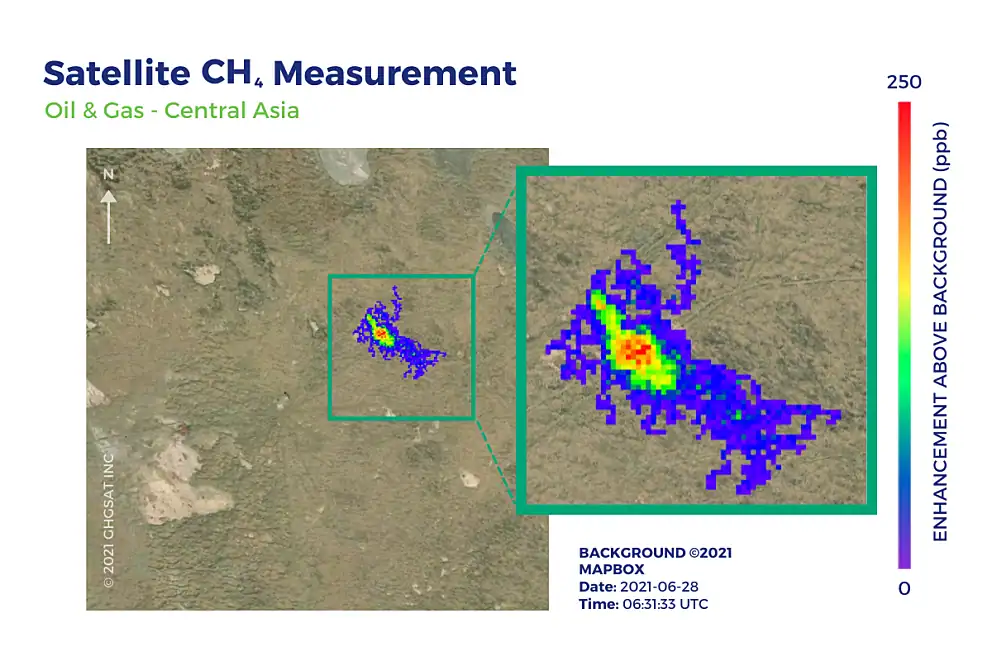
At GHGSat we have the unique ability to provide oil & gas emissions monitoring from space, thanks to our constellation of high-resolution satellites. Our satellite technology is proven to measure methane emissions today, anywhere in the world, quickly, easily, and accurately, providing the necessary insights to implement emission mitigation and reduction strategies, in the fight against climate change.
Accurate Methane Emissions Data
Emissions Monitoring for Oil and Gas
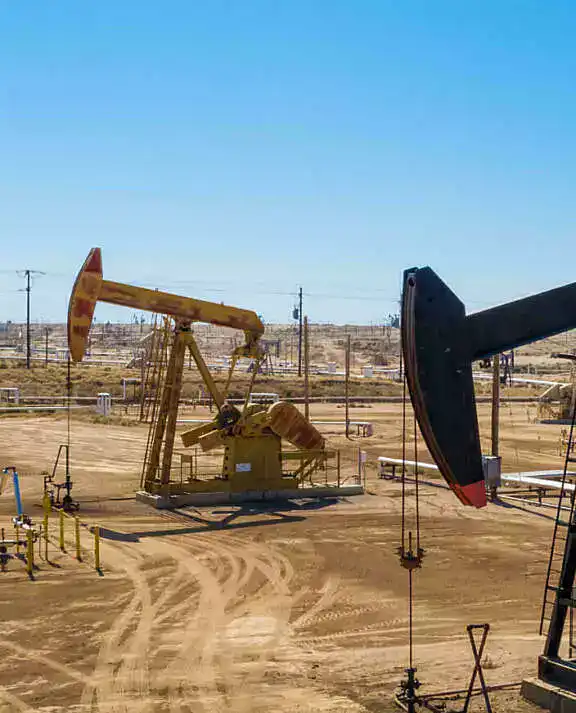
Detect, monitor, and measure methane emissions from oil and gas assets, including gas plants, well pads, and compression stations. GHGSat’s data technology accurately identifies methane gas emission sources to individual facilities, from unlit flares to open thief hatches – supporting leak detection and repair (LDAR) activities, production operations and environmental reporting.
Lower your Carbon Intensity
Meet your Emission Reduction Goals
GHGSat imaging technology is changing the way we see and measure greenhouse gas emissions. It’s only by knowing what’s actually happening that organizations can take decisive action to reduce greenhouse gas emissions.