
Satellite launch aims for increased scrutiny of methane emitters
GHGSat's second methane monitoring satellite, Iris, is ready for its debut in space, scheduled to launch in orbit in September 2020.

GHGSat's second methane monitoring satellite, Iris, is ready for its debut in space, scheduled to launch in orbit in September 2020.
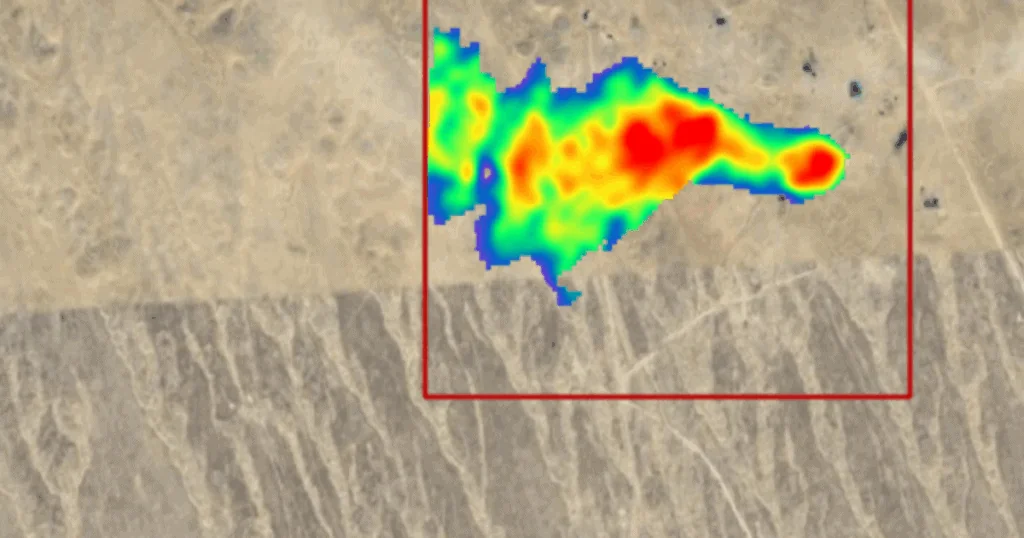
GHGSat satellite Claire can detect methane emissions down to the facility level, drawing from other available satellite data, like Copernicus Sentinel-5P to map methane hotspots around the world.
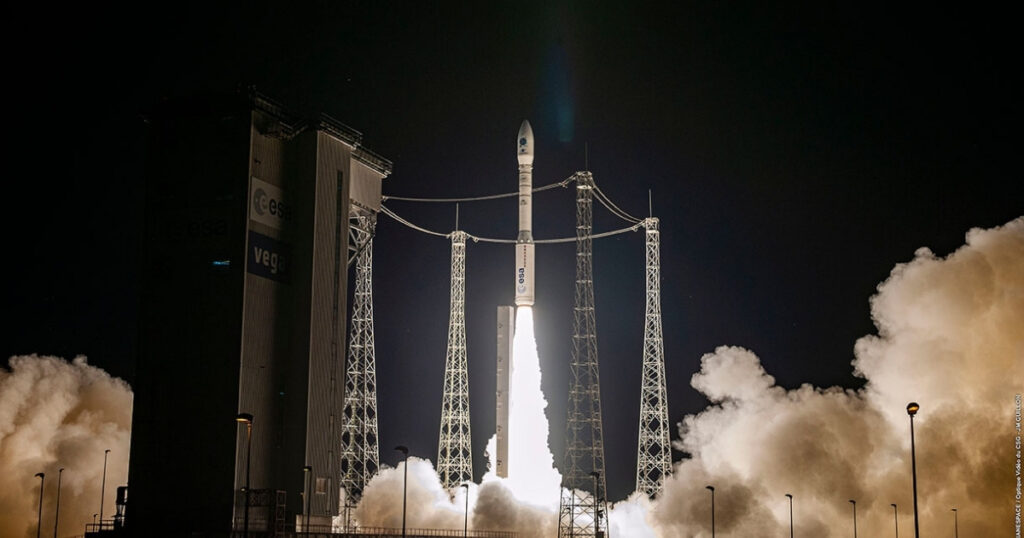
GHGSat methane detecting satellite was successfully deployed on the European Vega rocket, along with 52 new satellites.
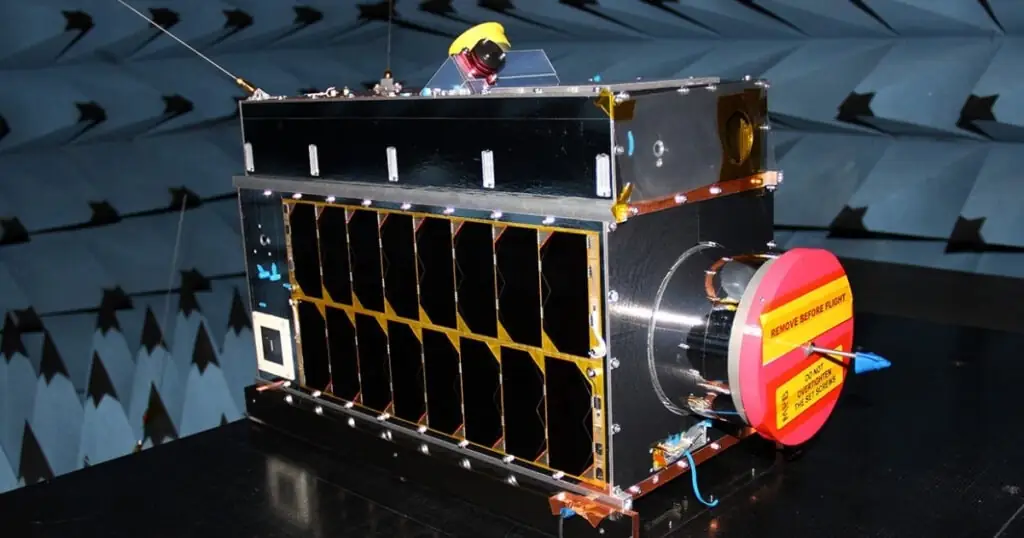
GHGSat's emissions hunting satellite Iris (GHGSat-C1) was successfully delivered into orbit on September 2nd, 2020, aboard Arianespace, making her journey into space.
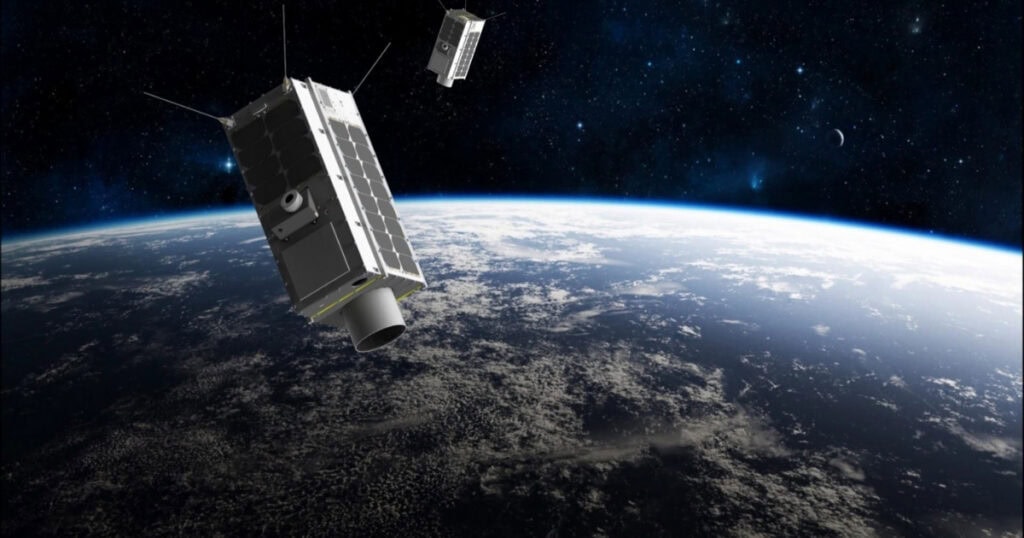
GHGSat-C1, Iris, can map plumes of methane in the atmosphere at high-resolution, detect and measure methane emissions from point sources 100 times smaller than any comparable system with a resolution 100 times higher.
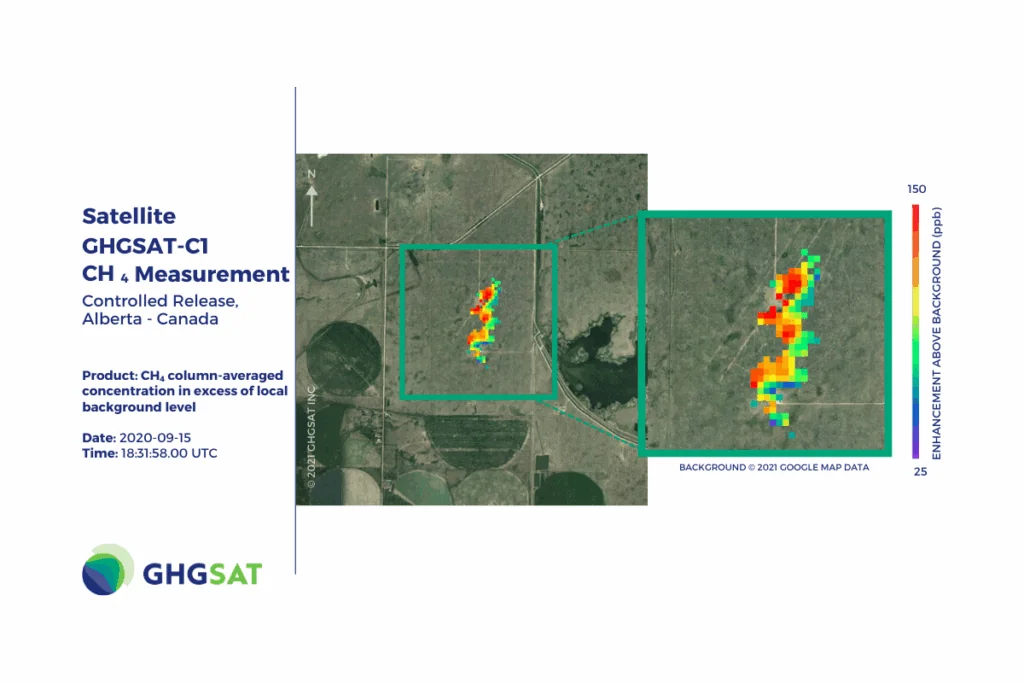
The first of our satellite fleet GHGSat-C1 Iris launched in 2020, detects emissions sources 100x smaller than some satellites and attributes emissions sources with 100x higher precision than other satellites.

It is only by seeing emissions that we can start to ask questions about what's causing them. PULSE GHGSat, our digital map of global methane concentrations shows concentrations of methane emissions using a combination of both public and GHGSat data.

Bold ideas that are building a better world. GHGSat launches a free interactive map, accessible online, showing the evolution of methane concentrations worldwide. It is only by seeing emissions that we can start to ask questions about what's causing them.
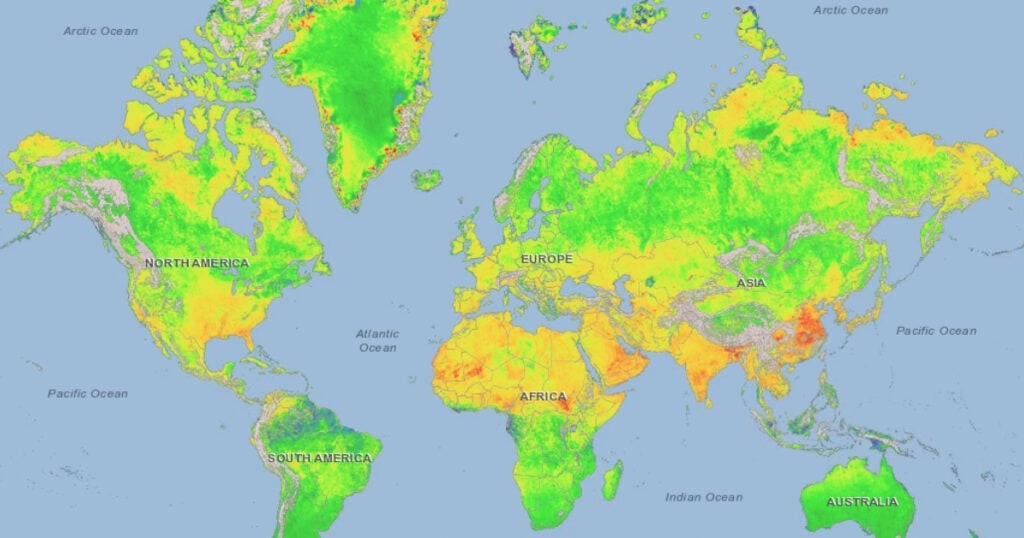
Methane is a highly potent greenhouse gas. GHGSat built PULSE to share methane data with all global citizens and make a vital contribution to tackling climate change.
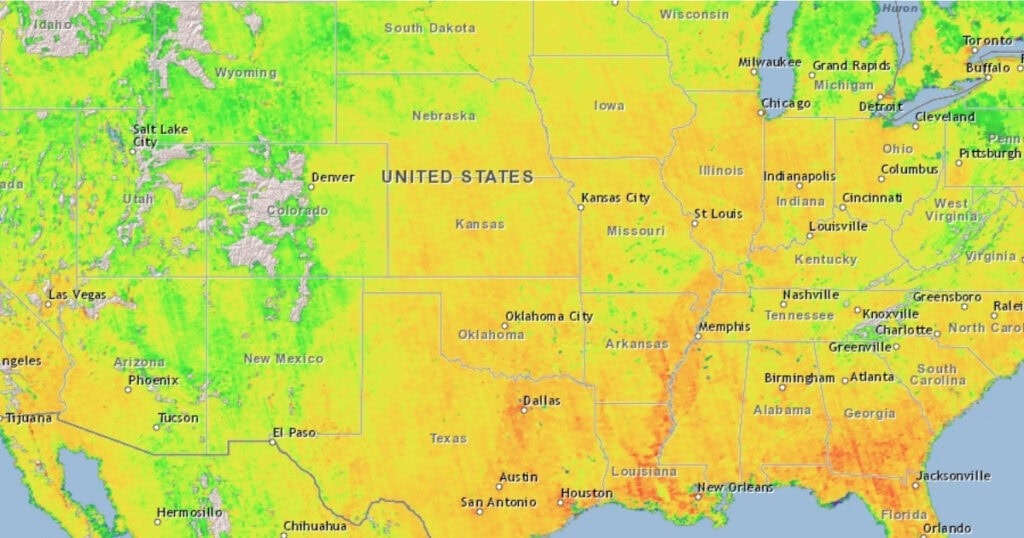
It is only by knowing what's actually happening on the ground and in our atmosphere, that industry and policymakers can take decisive action to reduce greenhouse gas emissions.
PULSE our unique and free-to-use digital interactive map, gives an accurate and independent view of global methane concentrations.
Invisible to the eye, it has 84 times the global warming potential of carbon dioxide, over 20 years. To understand what’s happening, we first need to see it.